SALAM PANCASILA
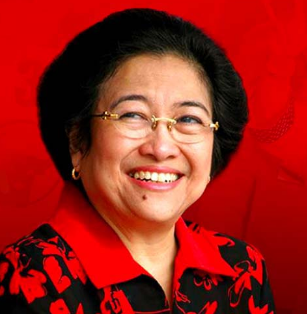
Inspiring Woman
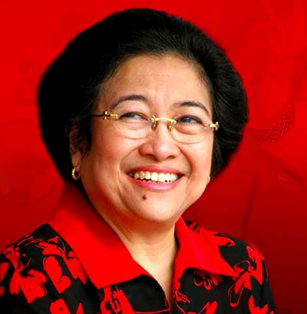
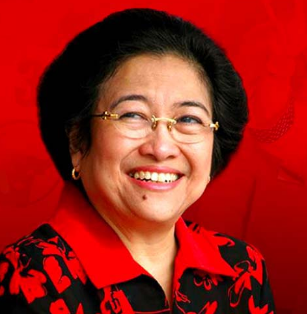
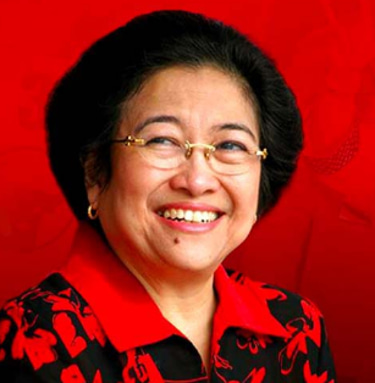
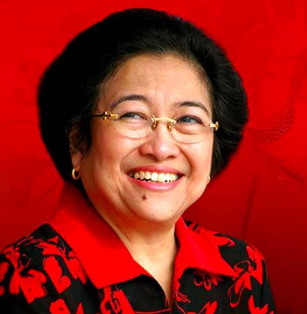
Discover the legacy of Megawati Soekarnoputri
About
Learn about the life and achievements of this influential leader.
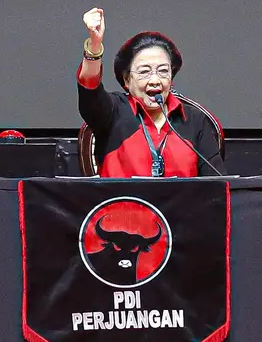
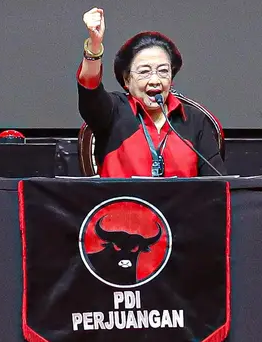
Born in Yogyakarta on January 23, 1947, this politician is the daughter of Sukarno, the first President of the Republic of Indonesia, and his wife Fatmawati.
Megawati is a respected figure in the Indonesian political arena. Her political journey is inseparable from the name of the Indonesian Democratic Party of Struggle (PDIP).
Alongside PDIP, Megawati has served as vice president, the first female president of Indonesia, and played a crucial role in the victory of President Jokowi in the 2014 and 2019 elections. Here is an overview of Megawati's political career in Indonesia.


Historical Points
Explore the impactful projects led by Megawati Soekarnoputri.
The party resulting from the fusion of four democratic development parties—PNI, IPKI, Parkindo, Murba, and the Catholic Party—only garnered 8.05 percent of the votes (29 seats) in the 1977 elections and 6.66 percent (24 seats) in the 1982 elections.
Megawati was recruited due to her lineage as the daughter of Sukarno, believed to have the ability to attract voters. Soerjadi's strategy proved effective. A Tempo report on December 25, 1993, mentioned that Megawati's name effectively drew voters in Central Java.
Whenever Dyah Permata Megawati Setyawati Soekarnoputri appeared on the campaign stage, PDI masses always swarmed. The votes obtained by PDI in the elections also increased. In the 1987 elections, PDI secured 10 percent (40 seats), and in the 1992 elections, it reached 14 percent (56 seats). However, Soerjadi viewed the strengthening of PDI's achievements as causing concern for the government.
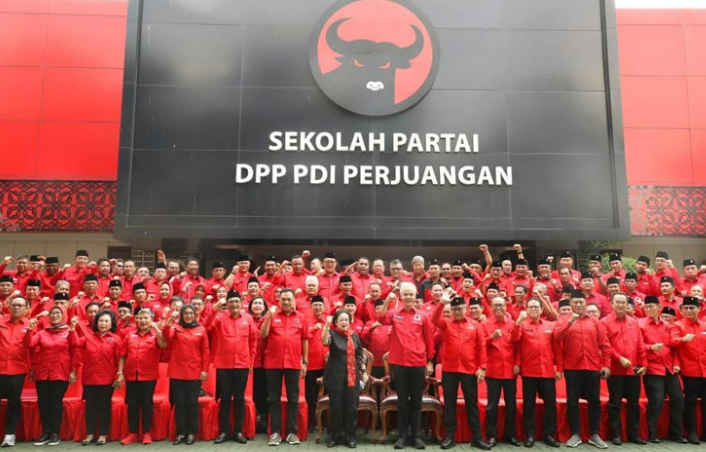
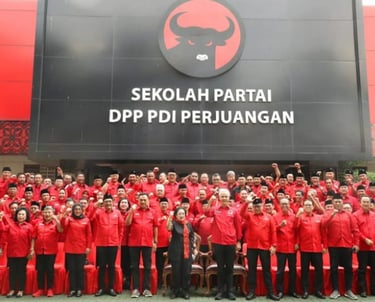
Discover the historical significance of Megawati Soekarnoputri's leadership
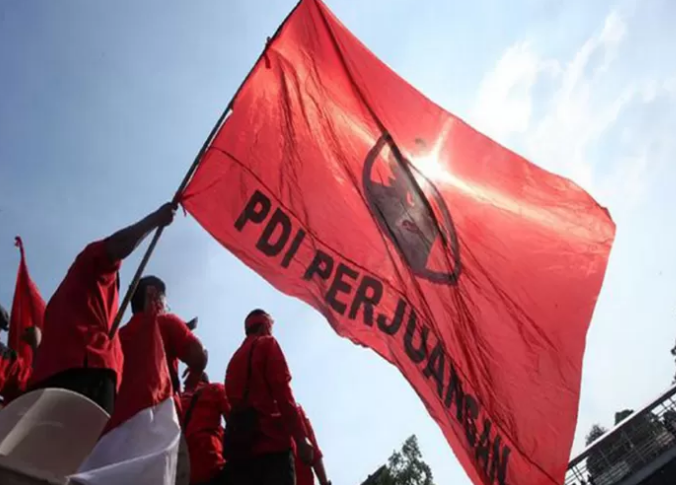
Learn about the enduring impact of Megawati Soekarnoputri's political career. Megawati Becomes Vice President under Abdurrahman Wahid After the fall of the New Order led by Soeharto in 1998, Indonesia was led by B.J. Habibie, but his tenure was short-lived.
In the presidential election of 1999, Abdurrahman Wahid (Gus Dur) from the PKB was elected as President, with Megawati as his vice president. Megawati garnered 313 votes in the general session of the People's Consultative Assembly (MPR), placing her second to Gus Dur who received 373 votes.
Gus Dur's leadership was brief, and in 2001, political upheaval occurred. During that time, Gus Dur intended to issue a decree to disband the DPR/MPR. The Supreme Court deemed this action unlawful, leading to his impeachment.
Automatically, Megawati, who was then the Vice President, was inaugurated to replace Gus Dur. Thus, Megawati officially became the first female President of Indonesia.
Megawati Becomes President of Indonesia for the 2001–2004 Period Megawati was officially inaugurated as President on Monday, July 23, 2001, at 17:03 WIB.
According to Tempo's report on December 12, 2003, in a special session vote, 591 members expressed agreement to remove President Abdurrahman Wahid and appoint Megawati as the president.
During her presidency, Megawati was paired with Hamzah Haz. Megawati's leadership as the first female president often sparked both support and criticism.
Megawati Joins PDI Invited by Soerjadi During the New Order era, only three political parties were officially recognized in Indonesia: Golkar, PPP, and PDI. This setup intensified political competition in Indonesia, with Golkar emerging as the ruling party.
Consequently, the opposition parties PPP and PDI strove to enhance their electability. As the Chairman of PDI, Soerjadi orchestrated political maneuvers to boost the party's popularity. He invited Megawati, the daughter of Sukarno, to help garner public support.
Soerjadi's invitations and appeals succeeded in bringing Megawati into the PDI fold. In 1987, Megawati officially became a member of PDI. At that time, the party, founded on January 10, 1973, was gearing up for its third participation in general elections, competing against Golkar and the United Development Party. In the previous two elections, PDI had consistently held a lower position.